88888888888888888888888888888888888888888888888888888888888888888888888888888888888888888888888888888888888888
Strassfeld, Michael
88888888888888888888888888888888888888888888888888888888888888888888888888888888888888888888888888888888888888

88888888888888888888888888888888888888888888888888888888888888888888888888888888888888888888888888888888888888
"It is in the ordinary rather than in the extraordinary that we should seek holiness and meaning." (01/05/2024)
88888888888888888888888888888888888888888888888888888888888888888888888888888888888888888888888888888888888888
Michael Strassfeld is an American rabbi. From 2001-2015, Strassfeld was rabbi of the Society for the Advancement of Judaism, a Manhattan synagogue.[1][2] From 1982-2001, he was the rabbi of Manhattan’s Congregation Ansche Chesed.[3][2]
Biography
Michael Strassfeld is a graduate of the Maimonides School. He started college at Yeshiva University, but transferred to Brandeis University and graduated in 1971. He holds an M.A. from Brandeis in Near Eastern and Judaic Studies, and completed his doctoral coursework in Jewish History at Brandeis but did not submit a thesis. He was ordained by the Reconstructionist Rabbinical College in 1991.[2]
Strassfeld first received wide public attention as one of the authors of The Jewish Catalog. He was a leader of the Chavurah movement and was the founding chairperson of the National Havurah Committee from 1979 to 1982.[4]
The original version of Passover Haggadah: The Feast of Freedom was edited by Strassfeld. After publishing it for members of the Rabbinical Assembly in their rabbinical journal, Rachel Anne Rabinowicz came on board next as editor of the project. She brought the work to its final form.
Strassfeld is married to Rabbi Joy Levitt and he is father to sons Max, Noam, and Benjamin and stepdaughters Sara and Ruthie Friedlander, as well as being grandfather to Micah Strassfeld.[5][6]
Publications
- The First Jewish Catalog. A Do-It-Yourself Kit. Compiled and edited by Richard Siegel, Michael Strassfeld, and Sharon Strassfeld (1973).
- The Second Jewish Catalog. Comp. and ed. by Michael Strassfeld and Sharon Strassfeld (1976).
- The Third Jewish Catalog. Compiled and ed. by Sharon Strassfeld and Michael Strassfeld (1980).
- Shabbat Haggadah for Celebration and Study (1980).
- The Jewish holidays: a guide and commentary. With Arnold M. Eisen and Betsy Platkin Teutsch (Illustrations) (1985).
- A Night of Questions, a Passover Haggadah ed. with Rabbi Joy Levitt (2000).
- A Book of Life: Embracing Judaism as a Spiritual Practice, Schocken Books (2002).
- Judaism Disrupted: A Spiritual Manifesto for the 21st Century, Ben Yehuda Press (2023)
References
- "The SAJ Welcomes Rabbi Lauren Grabelle Herrmann (article on home page)". thesaj.org. September 8, 2015. Archived from the original on September 9, 2015. Retrieved November 18, 2015.
Rabbi Lauren began her term on July 1, 2015.
- "Michael Strassfeld papers - Philadelphia Area Archives". findingaids.library.upenn.edu. Retrieved March 4, 2025.
- Ansche Chesed Rabbi To Step Down: At issue is role of rabbi in prominent multi-minyan shul, The Jewish Week, January 12, 2001.
- Briggs, Kenneth A. (July 8, 1979). "Diverse Jewish Havurah Movement Grows; Difficult Obstacles Seen 'A holding Operation' Adherence to Law Not Strict". The New York Times.
- Austrian, Guy (2022). "Calling non-binary people to Torah honors" (PDF). Rabbinical Assembly.
- "Strassfeld, Michael J. 1950- | Encyclopedia.com". www.encyclopedia.com. Retrieved March 4, 2025.
88888888888888888888888888888888888888888888888888888888888888888888888888888888888888888888888888888888888888
Michael Strassfeld — Notable Quotes
Michael Strassfeld is known for his contemplative and compassionate quotes, often reflecting on light, love, and human connection.
1. On the nature of light
“Light gives of itself freely, filling all available space. It does not seek anything in return; it asks not whether you are friend or foe. It gives of itself and is not thereby diminished.” Goodreads+1
2. On life’s reciprocity
“Life will either treat you kindly or harshly depending on how you treat it.” theonequote.app
These quotes convey themes of generosity, personal responsibility, and the idea that our actions shape our experiences. Strassfeld’s words often encourage a mindset of giving without expectation, and of treating others with kindness as a foundation for a better life.
88888888888888888888888888888888888888888888888888888888888888888888888888888888888888888888888888888888888888
What's Wrong with Today's Judaism? Rabbi Michael Strassfeld Says A Lot
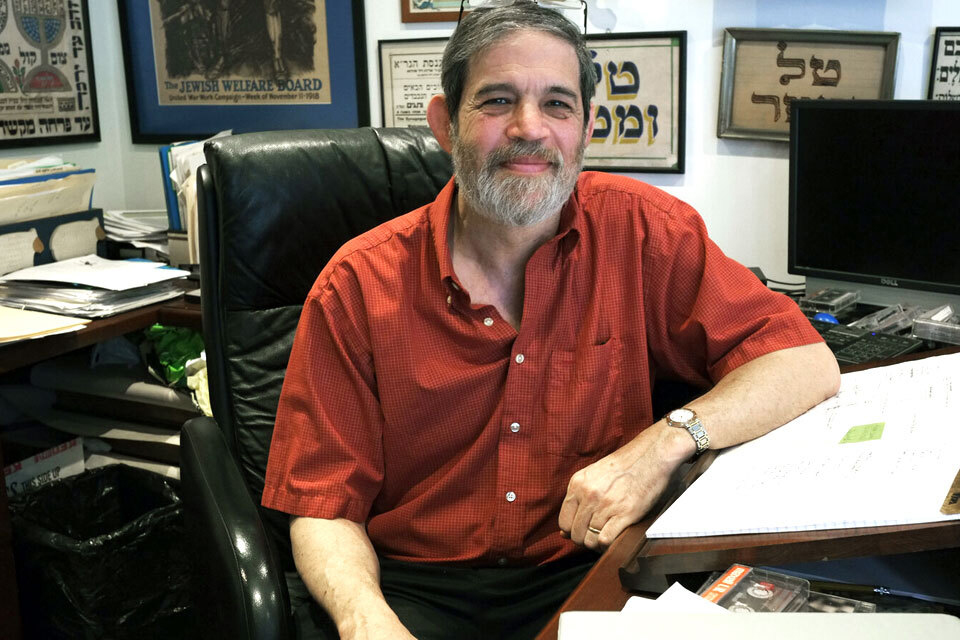
"The purpose of Judaism is to be a good person, a mensch," Strassfeld said.
Photo Credit: Courtesy Strassfeld
April 4, 2023
By S.I. Rosenbaum
For Jews who feel their religion is no longer relevant to their lives, Rabbi Michael Strassfeld '71, MA '72, has an alternative.
He calls it "permeable Judaism," a Judaism open to the world, inclusive, egalitarian, and willing to radically discard tradition to reinvent itself for the modern world.
His vision of Shabbat includes discussion and debate, readings from Jewish and non-Jewish texts alike, and constantly examining how rituals and prayers connect to our lives.
It's all laid out in his new book, "Judaism Disrupted: A Spiritual Manifesto For the 21st Century," which calls for jettisoning many Jewish laws, customs, and prayers to imbue Judaism with new meaning and relevance.
"The purpose of Judaism is not to be a good Jew by doing lots of its rituals," Strassfeld said in an interview. "The purpose of Judaism is to be a good person, a mensch."
"We have to create a Judaism that has real meaning and purpose for people and feels accessible," he added.
Strassfeld worked for a decade as a rabbi at Ansche Chesed, an egalitarian Conservative synagogue in Manhattan, followed by 14 years at the Society for the Advancement of Judaism, which is affiliated with the Reconstructionist movement. He is now retired in New York.
He's also co-editor of "The Jewish Catalog," a series of books first published in 1973 that offered a countercultural, do-it-yourself guide to practicing Judaism.
TJE spoke with Strassfeld about his new book.
When you came to Brandeis, you were Modern Orthodox, but that soon changed.
I grew up the son of a Modern Orthodox rabbi in Boston and went to Yeshiva University before transferring to Brandeis for my sophomore year. Actually, at Brandeis, I was the only person wearing a kippah [Jewish skullcap or yarmulke] on campus all the time. That changed by the time I graduated. It was also true that by the time I graduated, I wasn't wearing a kippah all the time.
I left orthodoxy in part because of my classes in NEJS [Department of Near Eastern and Judaic Studies]. I studied the Hebrew Bible with [professor] Nahum Sarna. Once you understand that the Bible was written by humans during different eras, the idea in Orthodox Judaism that the Bible was written by God and its laws are eternal becomes hard to believe.
What's wrong with today's Judaism?
The problem is that many Jews think that Judaism is what I call "doing the Jewish things," things that only Jews do, like going to services or keeping kosher. And many people don't understand why they should care about any of that. Too often people look at Jewish rituals and say, "What does this have to do with anything?"
I almost called my book "Judaism: Why Bother?" because I think that's the question many people are asking.
What's the alternative?
My book's premise is that Judaism offers practices and wisdom about how to take the most precious gift each of us has been given, which is our life, and live it with meaning and purpose.
How do you practice the kind of Judaism you're talking about?
In my book, I talk about kavanah, Hebrew for "intention" — you have an intention when you're doing something.
The Jewish rabbinic tradition decided that fulfilling commandments was key, so they told you exactly how to light the Hanukkah candles and how much matzah to eat for Passover.
But they said you don't have to have kavanah, you don't have to have intention, to fulfill the obligation. I'm arguing that we should flip that, that the key thing is intention.
On the question of how much matzah to eat, what's the difference? If you like matzah, eat more! If you don't, just eat a little bit. The point is to think about freedom on Passover, not to eat matzah.
Another example: Many Jews have a mezuzah [a small box containing a prayer scroll] on their front door, but it becomes like wallpaper, you don't notice it anymore.
But what if you take a moment while walking out the door and acknowledge the transition from home to work, the desire for a good day, or to be patient and caring? You can do the same thing when you come back at night. Wipe off the dust and distress of the day and return home.
How do you recommend observing Shabbat?
Shabbat is important because it's about community. People used to live in Jewish neighborhoods. Now, the Jewish neighborhood is created on Shabbat when Jews come together with other Jews.
I've been leading a Shabbat service since I retired, and it's divided between what you might call prayer and study.
The prayer part isn't using the prayer book. Instead, I put together a number of readings around a spiritual theme, such as brokenness and wholeness or light and darkness. And then the prayers could be verses from the Psalms that talk about that theme or lines from the liturgy that address it.
It can still be very moving, very rejoiceful. I come prepared with readings. Many of them are not from Jewish texts. There's a lot of poetry.
For study, we look at Jewish texts related to the weekly Torah portion or an upcoming holiday. And then we discuss them. The conversation becomes an interaction with the text where we ask what the text says. But people also relate the text to their personal experiences and how they've struggled with the same kinds of issues in their lives.
All of this feels like we're continuing the conversation that Jews began thousands of years ago. It's just different from a traditional service. It doesn't feel structured. It's not limited by the tradition of saying, "Oh, well, you have to read the prayer on page 23" or "Now we'll turn to page 200."
You talk a lot about the importance of holiness.
Yes, it is one of the core principles in the book. I base it on the Hasidic notion of holiness, which is that holiness can be found anywhere in the world. Seeing a sunrise, even interacting with another person, can be a holy moment. Another way of putting it is finding and increasing goodness and compassion in the world.
Another core principle of Judaism stated in your book is, "We need to strive to live with awareness of the true nature of existence. Unawareness leads to slavery. Awareness leads to the freedom to see clearly." Can you explain this?
I think awareness is the first step to change. When I become aware, for example, of just saying no to someone who asked for a favor, I can stop and ask myself, "Wait. Why did I do that?"
Say I'm committed to social justice, but I don't think about it all the time because I have all these things to do. What if my morning practice said, "Today, I'm recommitting myself to pay attention to social justice? And remember, Jews were once strangers in the land of Egypt, so we should always treat people in need with that in mind."
And that's my morning practice, not attending a religious service but thinking about my life and the principles I want to live by.
I want to redefine ritual and prayer to be about awareness. That's really my understanding of Judaism.
88888888888888888888888888888888888888888888888888888888888888888888888888888888888888888888888888888888888888

No comments:
Post a Comment